Back to guidesguide
Kayak Fishing for Beginners: The Real-World Guide
A practical guide to getting started in kayak fishing without the fluff. We cover hull stability, the pedal vs. paddle debate, USCG safety essentials, and the tactics you need to catch more fish from a small craft.
5 min readLast reviewed
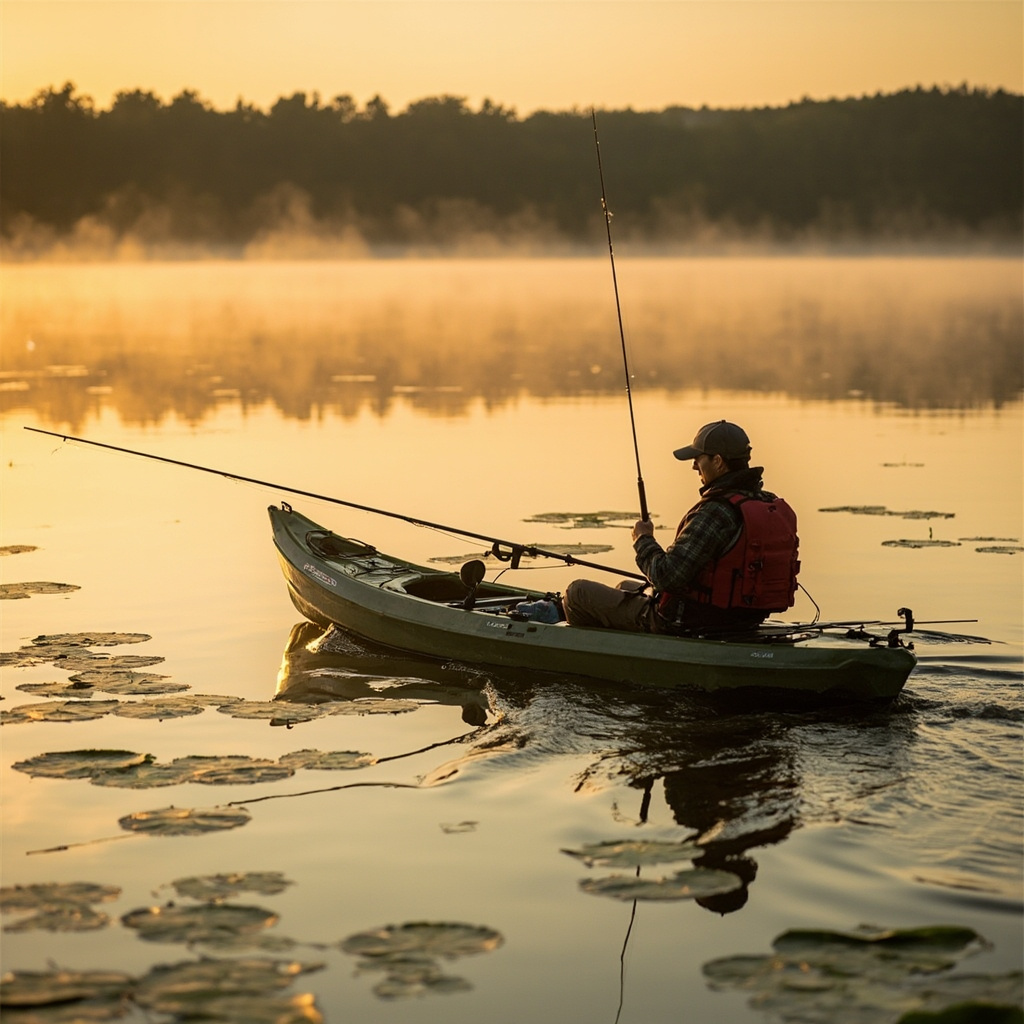
Table of contents
- Why Kayak Fishing? The Real Reason to Trade the Motor for a Paddle
- Understanding the Physics of Your Boat
- Stability vs. Speed: The Ultimate Trade-off
- Hull Material: Why You Want a "Beater"
- Pedals, Paddles, or Power?
- Essential Gear: Invert Your Budget
- Don't Skimp on the Paddle
- Electronics and Stealth
- Catching Your First Fish: Habitat, Gear, and Lure Plan
- One Rod, Three Simple Presentations
- A Seasonal Search Plan
- Printable First-Launch Checklist
- From the Cockpit: Two Trips That Shaped This Guide
- Safety: The Non-Negotiables
- Frequently Asked Questions
- Do I need to wear a PFD while kayak fishing?
- Does a fishing kayak need to be registered?
- What paddle length should a beginner choose?
- Is a wider kayak always more stable?
- What should I check before every launch?
If you've ever watched a $60,000 bass boat struggle to launch while you could just slide a plastic hull off a grassy bank, you already know why kayak fishing is taking over. This isn't just about finding a cheaper way to get on the water; it's about reaching fish that haven't seen a lure in years. From picking the right hull to surviving your first "Texas Sleigh Ride" -- the unofficial name for when a hooked fish drags you and your kayak around in wide circles -- here is everything you need to know to start your journey without the fluff.
Why Kayak Fishing? The Real Reason to Trade the Motor for a Paddle
Look at any boat ramp on a Saturday morning and you'll see the same headache: a line of stressed-out boaters waiting an hour to drop $100 in gas just to reach a spot that's already overcrowded. Forget that. That's exactly why kayak fishing has shifted from a niche hobby into a full-blown movement.
For most of us, the draw is total access. While those $60k bass boats are stuck in deep-water channels, a kayak lets you glide over a four-inch mudflat or portage into a "hidden" lake that hasn't seen a lure in years. It's about more than just a cheaper way to fish -- it's the stealth, the quiet, and that raw, physical connection to the water you only get when you are the engine. A peer-reviewed survey of 29 Nebraska waterbodies published in Fisheries Research (Kane, Kaemingk, Chizinski & Pope, 2020) found that bank anglers and boat anglers differ enough in party size, time fished, and fish released versus harvested that the authors treat access type as a real population difference -- a tidy reminder that how you reach the water shapes what you actually do once you get there. Knowing what to pack is half the battle, so check out the essential kayak fishing checklist for first-timers.
Understanding the Physics of Your Boat
Before you drop a paycheck on gear, take a minute to understand the trade-offs in hull design. You'll hear plenty of marketing fluff about "hybrid" designs, but you can't argue with physics.
Stability vs. Speed: The Ultimate Trade-off
Think of kayak stability on a spectrum. Primary stability is how steady the boat feels when you're just sitting there on glass-calm water. Secondary stability is how well it resists flipping once you actually start leaning it on an edge. Most fishing kayaks are built wide (32-36 inches) to give you rock-solid primary stability so you can stand and cast without taking an accidental swim. The catch? Physics won't let you have it all. A wider hull creates more drag, meaning you'll have to put in more muscle to paddle against a stiff wind.
Hull Material: Why You Want a "Beater"
If you're just starting out, rotomolded polyethylene is a practical choice. These plastic hulls can handle the routine scrapes and bumps that come with launching from rough banks, but you should still inspect the hull after hitting rocks, oyster beds, or other sharp obstacles. Unless you have a private dock and deep water, you want a boat you can use without cringing at every superficial scratch.
Pedals, Paddles, or Power?
How you move determines how you fish. There are three main ways to get around, and none is objectively "better" -- it just depends on where you plan to spend your time.
- The Traditional Paddle: Simple, light, and nothing to break. If you want the quietest possible approach for stalking fish in skinny water, this is your best bet.
- Pedal Drive: Using your legs leaves your hands free to cast or adjust your line while you're moving. It's a game-changer for staying on top of a school of fish in a current.
- Electric Motors: Small motors offer another option, but adding one can change registration and operating requirements. Check your state's rules before you hit the water; the U.S. Coast Guard's state boating-law resource points readers to state boating contacts and law resources.
Essential Gear: Invert Your Budget
Most beginners make the same mistake: they spend 90% of their money on a fancy rod and 10% on the boat and safety gear. Do yourself a favor and flip that. A high-end rod won't help you if your back is screaming from a bad seat or you're exhausted from fighting a heavy, cheap paddle. You can significantly improve your experience if you learn how to rig your kayak for fishing to suit your specific needs.
Don't Skimp on the Paddle
If you aren't pedaling, your paddle is your engine. Avoid those heavy plastic "emergency" paddles they sell at big-box stores. A fiberglass or carbon-fiber shaft is worth considering if lower weight makes paddling more comfortable. For a wide fishing kayak, a paddle in the 240cm to 250cm range may provide enough reach to clear the high-seat sides, but your height, seat position, and boat width should guide the final fit.
Electronics and Stealth
Many fishing-specific kayaks come with a "transducer scupper" -- a recessed pocket under the hull. This can keep sonar equipment tucked away so it is less exposed when you're crossing a log or coming into a shallow bank.
Catching Your First Fish: Habitat, Gear, and Lure Plan
Don't carry a tackle store on your first trip. Pick one or two target species, confirm that they live in the water you plan to fish, and bring a few presentations you can use without constantly rerigging. For bass, the California Department of Fish and Wildlife recommends working around habitat such as submerged vegetation, fallen trees, docks, and rocky shorelines. Those visible targets are easier for a beginner to fish methodically from a kayak than featureless open water.
One Rod, Three Simple Presentations
- A small in-line spinner: Cast it past the target and retrieve it steadily. The Utah Division of Wildlife Resources' beginner lure guide identifies small spinners as options for trout and panfish, while larger versions can attract bass.
- A curly-tail grub on a jighead: Retrieve it through the water, bounce it near the bottom, or lower it vertically beside the kayak. That same state guide describes curly-tail grubs as versatile lures for panfish and other freshwater sportfish.
- A worm or other legal natural bait under a float: This is a straightforward option when you want to slow down and wait for panfish or trout. Check the rules first because bait restrictions vary by location.
Keep needle-nose pliers and line cutters where you can reach them without standing. Before choosing live bait, lead tackle, barbed hooks, or treble hooks, read the regulations for that specific water. The National Park Service's spin-fishing guide notes that some parks prohibit certain tackle or live bait and advises anglers never to release unused live bait.
A Seasonal Search Plan
Seasonal patterns should tell you where to start, not lock you into one spot. The California Department of Fish and Wildlife says bass often move shallow in spring, seek deeper or shaded water in summer, and feed heavily in fall. Begin with shoreline cover during the shallow pattern. In hotter conditions, check shade, weed edges, current seams, and the first safe depth change you can reach. If you are not getting bites, change one variable at a time: depth, retrieve speed, lure, or location.
Those bass patterns do not apply equally to every species or waterway. Local stocking reports, fishing reports, water temperature, weather, and regulations should shape the final plan. Keep a simple log of the habitat, depth, lure, and conditions around each bite. That gives you something more useful than guessing which color to buy next.
Printable First-Launch Checklist
- Fishing license and current water-specific regulations
- Properly fitted PFD, fastened before launch
- Paddle, drive-system check, and backup propulsion plan
- Whistle or other reachable sound-signaling device
- Charged phone in a waterproof case
- Map, chart, compass, or GPS appropriate for the water
- Weather, wind, water temperature, tide, and current check
- Float plan shared with a reliable person
- Drinking water, sun protection, and basic first-aid supplies
- One rod and a small selection of legal lures or bait
- Pliers, line cutters, and secured tackle
- Required lights and registration documents if using a motor or launching in low light
- Hull, drain plug, seat, hatches, and scuppers inspected
- Re-entry practice completed before fishing alone
From the Cockpit: Two Trips That Shaped This Guide
Most of what is in this guide comes from two trips that did not go the way I had planned.
The first was a still, overcast June morning on a small county impoundment in the Blue Ridge foothills near Roanoke, with a dirt launch that no trailer could have backed into. I was in a borrowed 10-foot sit-on-top with the cheapest spinning outfit on the rack and a handful of 1/8-ounce jigheads dressed with chartreuse curly-tail grubs. The south end dropped into a six-inch flat of lily pads and submerged stumps that the bank anglers could not reach without waders, and the local largemouth had clearly learned to hang there. In four hours I landed six bluegill, two small largemouth, and one stubborn fish that wrapped my line around a stump and forced me to lean over the gunwale to free it before it broke off. That was the trip that taught me what "stealth" actually buys you: not more bites, but access to water the trailers never touch.
The second trip was the lesson behind the gear section of this guide. I launched from a gravel bar on a tailwater stretch of the New River in southwest Virginia on an October Saturday with a forecast that turned out to be optimistic. The wind switched from a forecast 8 mph southwest to a steady 18 mph with 25 mph gusts out of the northwest right around lunch, and a smallmouth I had hooked behind a midstream boulder pulled my 12-foot sit-on-top roughly 200 yards downstream before I could turn its head. That was my first real Texas Sleigh Ride, and it is the reason I now own a fiberglass paddle instead of the heavy aluminum one I started with. The aluminum shaft had already given me a forearm pump by the time the fish bit; the fiberglass paddle I bought the following week cut my paddling fatigue almost in half on the next windy day and has been on the boat since.
The trade-offs that show up in those two trips are the same ones this guide is built around: access beats horsepower, light gear beats heavy gear, and reading the water beats reading marketing copy. The kayak is the excuse. The discipline of showing up prepared is what actually puts fish in the boat.
Safety: The Non-Negotiables
Before launch, make safety gear the priority. The U.S. Coast Guard's life-jacket guidance says a recreational vessel must carry a USCG-approved wearable PFD for each person aboard. It must be the appropriate size for the user, appropriate for the activity, in good and serviceable condition, and readily accessible. Wear it whenever the kayak is underway instead of storing it under your tackle.
Choose a paddling or fishing PFD that fits snugly without restricting your cast or paddle stroke. Check the label for its intended use and user size, fasten every buckle or zipper, and make sure it cannot ride over your chin or face. The American Canoe Association's fit guidance recommends testing for a secure, snug fit. Inspect the straps, buckles, fabric, and flotation before each trip. Maintain an inflatable model according to its instructions and confirm that its cylinder and status indicators show it is serviceable.
A PFD is the starting point, not the entire equipment list. Carry a whistle or other sound-signaling device where you can reach it while seated, a charged communication device protected from water, and navigation equipment suited to the trip. Federal, state, and local requirements can vary with the waterway, vessel size, operating time, and propulsion, so check the USCG boating-safety FAQ and your state boating agency rather than relying on a universal gear list.
Lighting deserves special attention. The U.S. Coast Guard Navigation Center's kayak and canoe guidance treats paddle kayaks as vessels under oars and explains the Rule 25 lighting options used between sunset and sunrise. If you operate under motor power, follow the lighting rules for a power-driven vessel instead of assuming that the paddlecraft flashlight option is sufficient. Confirm the exact light configuration and any state requirements before a low-light trip. The safest beginner plan is still to return before visibility fades.
Weather is the next gate. Check the forecast before leaving home and again at the launch, paying attention to wind direction, gusts, storms, fog, tides, current, air temperature, and water temperature. The National Weather Service warns that thunderstorms can develop quickly and bring gusty or shifting winds, lightning, heavy rain, and dangerous wave conditions. Set conservative limits before launching, keep an identified route to shore, and stay ashore when conditions exceed your skill level.
Plan your route and leave a float plan with a reliable person. Include your launch, intended fishing area, vehicle description, who is with you, and the time that person should call for help if you do not return. Carry a map, chart, compass, GPS, or other navigation tool appropriate for the water, but do not let electronics replace basic route awareness.
Dress for immersion rather than the afternoon air temperature. The National Weather Service's cold-water guidance explains that sudden immersion can trigger gasping, rapid breathing, cardiovascular stress, impaired thinking, and loss of muscular control. Use thermal protection appropriate for the water and conditions. A controlled cold-water study indexed by PubMed also found that the tested PFD design that held the head and upper chest higher slowed core cooling compared with another tested design, reinforcing the need to read the label and choose a PFD for the actual environment rather than comfort alone.
Finally, practice self-rescue before you need it. Learn how to control your breathing, stay with the kayak, manage the paddle, and re-enter the loaded boat in controlled water with a capable partner or instructor present. Repeat the drill while wearing the clothing and PFD you normally use. The ACA and USCG paddlesports safety course covers float planning, challenging weather, temperature regulation, and rescue priorities. Beginners should start on protected water near shore and avoid solo trips until they can paddle, turn, stop, and re-enter confidently.
Requirements can change after adding a motor. Review the USCG state boating-law resource and confirm current registration, equipment, and operating rules with your state boating agency or local DNR before launching. For a deeper pre-launch review, see kayak fishing safety tips.
Frequently Asked Questions
Do I need to wear a PFD while kayak fishing?
The U.S. Coast Guard requires a USCG-approved wearable PFD for each person aboard a recreational vessel. Wear rules can vary by age and jurisdiction, but the Coast Guard advises wearing your PFD whenever the kayak is underway because it cannot help if it is buried beneath your gear.
Does a fishing kayak need to be registered?
Registration rules vary by state. Adding an electric motor can change how your kayak is classified, so check your state boating agency before launching. The USCG state boating-law page provides links to state boating contacts and law resources.
What paddle length should a beginner choose?
Boat width, seat height, paddling style, and your height all matter. A wide fishing kayak with an elevated seat may call for a paddle around 240cm to 250cm, but use that as a starting point rather than a universal rule. If possible, test more than one length before buying.
Is a wider kayak always more stable?
A wider hull generally feels steadier when sitting flat, which is known as primary stability. That does not automatically mean it handles every condition better. Hull shape also affects secondary stability, tracking, turning, speed, and behavior in waves, so beginners should test a kayak on calm water before standing or fishing in rougher conditions.
What should I check before every launch?
Wear a properly fitted PFD, review weather and water conditions, confirm your route, tell someone your return time, and bring navigation and signaling tools appropriate for the trip. Inspect the kayak, paddle, drive system, drain plug, seat, and secured tackle before entering the water.
Kayak fishing is a game of small adjustments. A plastic boat can reach water that larger craft may not, often with more peace and quiet. Respect the water, wear your PFD, and learn your hull's limits. You're the captain of a very stealthy, very effective fishing machine.
Go find some skinny water and see what's waiting for you.
Kayak fishing is a game of small adjustments. We're in an era where a plastic boat can go almost anywhere a $50,000 skiff can -- often with better results and a lot more peace and quiet. Respect the water, wear your PFD, and learn your hull's limits. You're the captain of a very stealthy, very effective fishing machine.
Go find some skinny water and see what's waiting for you.
— About the author
Mason Rivera
Kayak Fishing, Gear Reviews · Fishing Kayak Specialist · Kayak Fishing, Gear Reviews
Mason Rivera focuses on kayak fishing equipment, rigging setups, and on-the-water performance. His articles compare popular fishing kayaks, electronics, and accessories while helping anglers find gear that matches their budget and fishing style.
View full profileRecommended for you
Related reads
guide
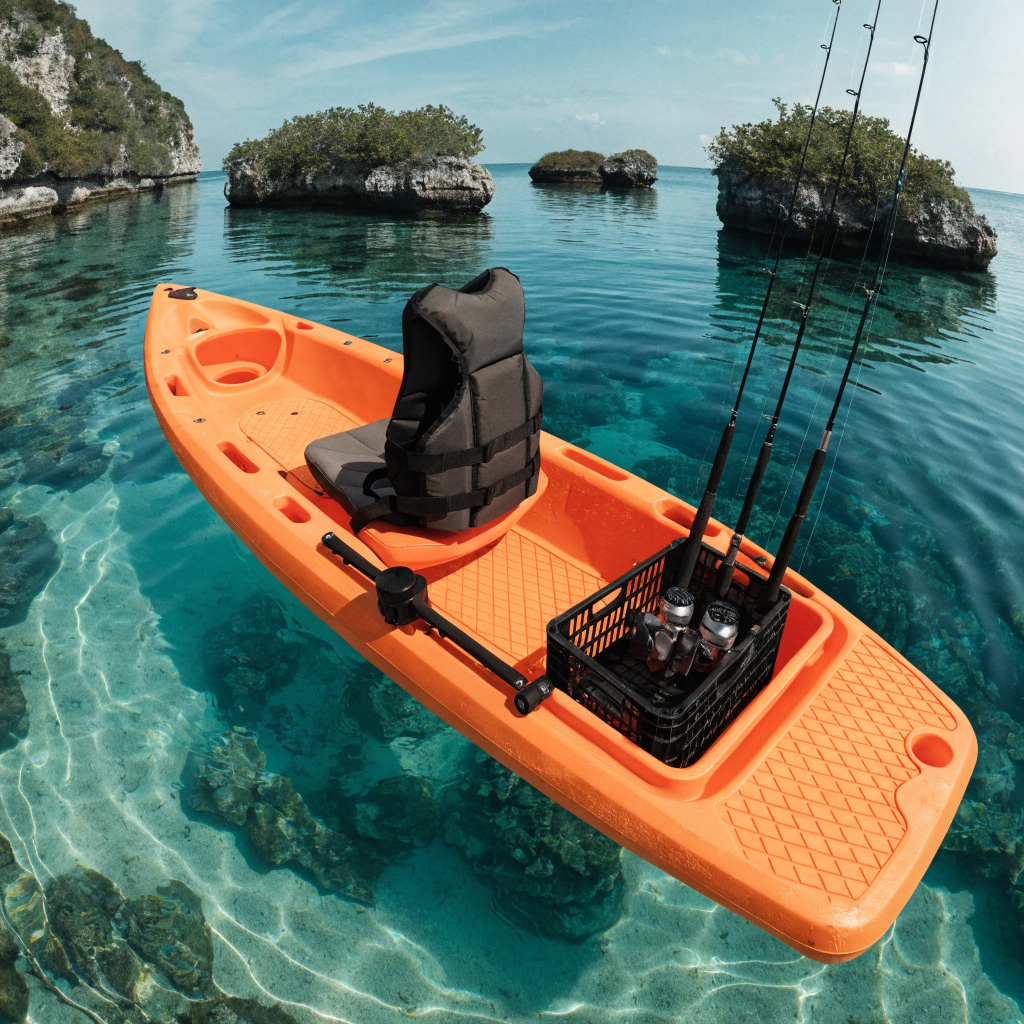
How to Rig Your Kayak for Fishing: A Beginner's Guide
Stop fighting your gear and start catching fish. Here is exactly how to rig your kayak for maximum efficiency and safety without overcomplicating things.

Guides
The Essential Kayak Fishing Checklist for First-Timers
An essential printable checklist for first-time kayak anglers covering safety, gear, and tactics.
Species Guide
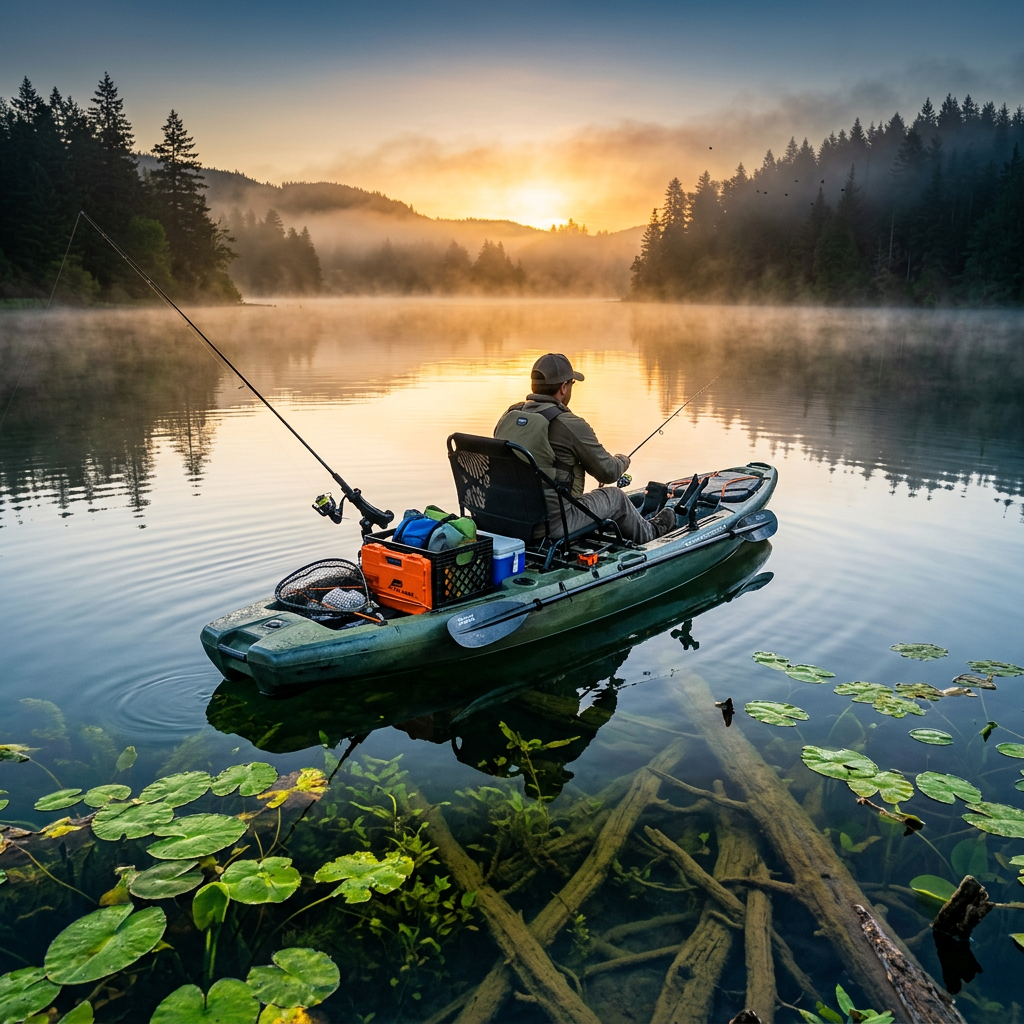
The Relentless Pursuit: Kayak Fishing for Bass Guide
The ultimate guide to chasing bass from a kayak, covering gear, stealth tactics, and safety.
You may also like
View all →Related guides
guide
Kayaking in Europe: An Insider's Guide, Alps to Adriatic
Discover the best kayaking in Europe, from Alpine lakes to the Adriatic coast. Expert tips on gear, safety protocols (PFD & USCG), and top destinations for U.S. paddlers.
guide
The Best Portable Kayaks for Travelers and Urban Commuters
Skip the roof rack. This guide breaks down the best foldable and inflatable kayaks for travelers and urban commuters, featuring high-pressure drop-stitch tech and essential USCG safety tips.
guide
Best Kayaks for Kids: A Parent's Guide to Safety and Gear
Choosing the best kayaks for kids involves more than just picking a smaller boat. Our guide explores top-rated youth kayaks and essential USCG safety tips.