Back to comparisonsComparison Guides
Inflatable vs Hard-Shell Kayak: Pros, Cons, and Best Picks
Struggling to choose between an inflatable or a hard-shell kayak? We break down the real-world performance, durability, and storage facts to help you pick the right boat for your lifestyle.
5 min readLast reviewed
Table of contents
- The Structural Core: Understanding the Technology
- Hard-Shell Kayaks (Rigid)
- Inflatable Kayaks (Pneumatic)
- Side-by-Side Performance Comparison
- The Pros and Cons of Hard-Shell Kayaks
- The Pros: Precision and Permanence
- The Cons: Logistics and Weight
- The Pros and Cons of Inflatable Kayaks
- The Pros: Portability and Stability
- The Cons: Maintenance and Windage
- Essential Safety Requirements for All Paddlers
- 1. Personal Flotation Devices (PFDs)
- 2. Be Seen
- 3. Respect the Elements
- Which Boat Fits Your Life?
- The Kayak Angler
- The Distance Paddler
- The Weekend Warrior
- Best Picks for the Modern Paddler
- Best Overall Hard-Shell: Wilderness Systems Tsunami 125
- Best Overall Inflatable: Sea Eagle 393rl RazorLite
- Best Niche Pick: Alpacka Raft Scout
- Best Picks at a Glance
- FAQ
- 1. Are inflatables okay in salt water?
- 2. Will my dog's claws pop it?
- 3. How long do they last?
- 4. Can I use a regular bike pump?
- 5. Are inflatables "tipsy"?
For years, choosing between an inflatable and a hard-shell kayak was a trade-off between convenience and actually having a good time on the water. You either bought a heavy plastic boat or settled for something that steered like a pool toy. But things have changed. Thanks to drop-stitch technology--the same stuff that makes high-end paddleboards feel rigid--the performance gap is closing fast. Whether you're stalking redfish in the salt marshes or just looking for a way to get the kids outside on the weekend, you need to know which platform fits your garage, your car, and your local river. Here is the lowdown on what really matters when picking your next boat.
The Structural Core: Understanding the Technology
To make a smart choice, skip the marketing fluff and look at how these boats are actually built. Construction determines exactly how much muscle you'll put into every stroke and how the boat handles a nasty chop.
Hard-Shell Kayaks (Rigid)
Most modern hard-shells are made from high-density polyethylene (HDPE). It's the "gold standard" for sheer toughness.
- Rotomolded: These are created by rotating molten plastic in a mold. The result? A seamless, heavy-duty hull. These are absolute tanks--the clear choice if you plan on bumping into submerged logs or dragging your boat over rocky banks.
- Thermoformed: This process involves vacuum-forming two sheets of plastic (usually an ABS/Acrylic laminate) and fusing them together. They're lighter and sleeker than rotomolded boats. You get that high-end fiberglass performance and glossy look without the eye-watering price tag.
Inflatable Kayaks (Pneumatic)
Forget those flimsy pool toys from a decade ago. Today's market is split into two very different categories:
- Vinyl/PVC Bladder: These are budget-friendly but prone to "taco-ing"--where the boat literally folds in the middle--because they can't handle high air pressure. Stick to small, calm ponds with these.
- Drop-Stitch Technology: This is the real deal. Tens of thousands of polyester threads connect the top and bottom layers, allowing you to pump the kayak up to 10-15 PSI. It becomes so rigid you can't even dent it with your thumb. This allows for a much narrower, faster hull that actually slices through water.
Side-by-Side Performance Comparison
| Feature | Hard-Shell Kayak | Inflatable Kayak (Drop-Stitch) |
|---|---|---|
| Material/Construction | Rotomolded HDPE or Thermoformed ABS | Reinforced PVC with Drop-Stitch Core |
| Tracking | Excellent (fixed skegs/rudders) | Good (requires detachable fins) |
| Durability | Extremely High (drag across rocks) | Moderate (puncture risk, though rare) |
| Setup Time | 0 minutes | 10-15 minutes (inflation) |
| Storage | Requires 10-16ft of dedicated space | Fits in a large hiking pack or trunk |
| Weight | 45-110 lbs | 25-45 lbs |
| Primary Stability | Variable by hull design | Extremely High (wide beams) |
| Hull Speed | High (less hydrodynamic drag) | Low to Moderate (higher surface friction) |
The Pros and Cons of Hard-Shell Kayaks
The Pros: Precision and Permanence
The real winner for hard-shells is the hull shape. Inflatables are naturally limited by their air chambers, which usually means a flat bottom. Hard-shells can have complex "V" hulls and sharp edges (chines) that let you lean the boat into turns with total confidence.
- Pure Efficiency: The American Canoe Association's Smart Start for Safe Paddling curriculum--authored by ACA-certified instructors and aligned with U.S. Coast Guard boating safety standards--identifies hull design and fit as foundational factors in paddling efficiency. The difference is something you can feel at the oar: a rigid surface cuts through the water, while even the best inflatables can "flex" slightly in waves, which basically steals your momentum.
- No Prep Necessary: If you're a "grab-and-go" person, nothing beats a hard-shell. If the boat is already on your trailer or roof rack, you're in the water in minutes.
- The Modder's Dream: Want to mount a fish finder, an anchor trolley, or a set of rod holders? You can drill into a hard-shell without worrying about it sinking. It's a stable, permanent platform for all your gear.
The Cons: Logistics and Weight
The biggest headache? The "storage tax." If you live in an apartment or drive a small car without a massive roof rack, a 14-foot boat is a nightmare. And let's be honest--hoisting a 70-pound fishing kayak onto an SUV roof by yourself is a great way to throw out your back. People with heavy hard-shells often end up paddling less just because the "getting there" part is such a chore.
The Pros and Cons of Inflatable Kayaks
The Pros: Portability and Stability
The modern inflatable is a total game-changer for city dwellers and anyone who wants to explore hidden spots without a trailer.
- Rock-Solid Stability: Because they use wide side tubes, inflatables are incredibly hard to flip. If you like to stand up while fishing or you're a beginner who's worried about "tipsy" boats, this is your best bet.
- The Trunk Factor: You don't need an expensive rack or a truck. You can toss two kayaks in the trunk of a Honda Civic, save on gas, and keep your gear locked safely inside.
- Hike-In Potential: Ever see a stunning alpine lake from a trail and wish you could paddle it? With an inflatable, you can. Throw it on your back and hike to spots that have never seen a boat ramp.
The Cons: Maintenance and Windage
- The Wind Effect: Inflatables sit "on" the water rather than "in" it. Since they're light and sit high, they act like a sail. If a 15-knot wind kicks up, you'll be working twice as hard as the person in the low-profile rigid kayak to stay on course.
- The Cleanup: You can't just toss a soaking wet inflatable in the bag and forget it. To avoid mold and the spread of invasive species (always follow "Clean, Drain, Dry" protocols), you have to wipe it down. This adds about 20 minutes to your day at the ramp.
- Puncture Anxiety: Military-grade PVC is tough, but a stray hook or a sharp oyster bed can still do damage. Most have multiple air chambers so you won't sink, but a mid-trip repair is never the goal.
Essential Safety Requirements for All Paddlers
No matter what you're paddling, the water doesn't care about your experience level. The U.S. Coast Guard (USCG) classifies kayaks as "vessels," and there are specific rules you have to follow. The full text lives in the USCG Navigation Center's Amalgamated Navigation Rules (33 CFR Part 83).
1. Personal Flotation Devices (PFDs)
According to the USCG's 2024 Recreational Boating Statistics, 87% of drowning victims were not wearing a life jacket when their fatal incident occurred (of cases where PFD usage was known). For kayaking, get a "Type III" high-back PFD--they're designed to be comfortable with your seat. Most importantly? Wear it. Trying to scramble into a PFD while you're already in the water is a recipe for disaster. Using inflatable PFDs can stay out of your way until you need them most.
2. Be Seen
If you're out at dawn, dusk, or in fog, Rule 25 of the U.S. Inland Navigation Rules applies. For sailing vessels and vessels under oars less than 7 meters (about 23 feet) in length, the rule requires either proper sidelights and a sternlight, or, as a fallback, "an all-round white light or have ready at hand an electric torch or lighted lantern showing a white light which shall be exhibited in sufficient time to prevent collision." A flashlight is only an emergency substitute--the compliant primary choice for unpowered craft under the rule is an all-round white light visible all around. I also recommend a high-vis flag and reflective tape on your paddle blades.
3. Respect the Elements
- The 120-Degree Rule: If the air and water temperatures combined are less than 120°F, you need a wetsuit or drysuit. According to the BoatUS Foundation's cold-water boating guidance, this formula is a useful starting point--but the safer rule is to dress for the water temperature, not the air. A 70°F afternoon with 50°F water can stop your muscles cold in minutes. Cold shock can lock you up before you even realize you're in trouble.
- Float Plans: It sounds dramatic, but tell one person where you're launching and when you'll be back. It saves lives.
Which Boat Fits Your Life?
The Kayak Angler
Fishing around oyster bars or jagged rocks? Go hard-shell. HDPE can handle the abuse. But if you're stalking bass in a remote, lily-pad-covered pond, the inflatable is much quieter and easier to drag through the brush. To find the right setup, check out the best inflatable kayak for fishing options currently available.
The Distance Paddler
If you want to cover 10+ miles in a day, don't even look at an inflatable. The hard-shell wins on "hull speed" every time. You'll go further, stay straighter against the current, and end the day way less exhausted.
The Weekend Warrior
Just want to splash around with the kids once a month? The inflatable is the clear winner. You won't have to spend $500 on a car rack, and it won't take up half your garage for the rest of the year.
Best Picks for the Modern Paddler
These recommendations are based on the published manufacturer spec sheets for each boat. Prices and specs reflect what was available at the time of writing--always confirm with the manufacturer before you buy.
Best Overall Hard-Shell: Wilderness Systems Tsunami 125
A rotomolded HDPE touring sit-inside that hits the "Goldilocks" length of 12'9". The multi-chine hull strikes a balance between tracking and maneuverability for rivers and open water, and the Phase 3 Air Pro seat is comfortable enough for full-day trips. Adjustable foot pegs and a thigh-brace-ready cockpit round it out as a true do-it-all boat. Verdict: the safest pick if you can only own one rigid kayak.
Best Overall Inflatable: Sea Eagle 393rl RazorLite
The first all-drop-stitch solo inflatable that genuinely feels like a hard-shell under the paddle. Built from 1000-denier reinforced PVC with a drop-stitch floor and sidewalls, it inflates to 10 PSI in roughly 7 minutes and tracks well with the removable skeg. It packs into a carry bag small enough for a car trunk or apartment closet. Verdict: the modern drop-stitch inflatable that earns its price tag.
Best Niche Pick: Alpacka Raft Scout
A sub-5 lb packraft built in Mancos, Colorado, for bikepackers and backcountry hikers. Its TPU-coated 210d nylon hull and 420d nylon floor can handle alpine lakes, slot-canyon pools, and Class II rivers. It's not fast and it's not for big water, but it lets you paddle places that no boat ramp can reach. Verdict: the only sensible choice when the put-in is a 6-mile hike.
Best Picks at a Glance
| Pick | Price (USD) | Length | Weight | Max Capacity | Materials |
|---|---|---|---|---|---|
| Wilderness Systems Tsunami 125 (hard-shell) | ~$1,349-$1,699 | 12'9" (388 cm) | 51 lbs (23 kg) | 300 lbs (136 kg) | Rotomolded HDPE |
| Sea Eagle 393rl RazorLite (inflatable) | ~$999 (Pro Package) | 12'9" (391 cm) | 35 lbs (16 kg) | 1 person | 1000-denier reinforced PVC, drop-stitch |
| Alpacka Raft Scout (packraft) | ~$820 | ~7 ft (hand-built) | ~4 lbs (1.6 kg) | Up to 200 lbs (240 lbs on small lakes) | TPU-coated 210d nylon hull / 420d nylon floor |
FAQ
1. Are inflatables okay in salt water?
Sure, but salt is hard on the valves. Always rinse the boat thoroughly with fresh water and let it dry before you roll it up. Salt abrasion and mold will kill your gear's lifespan.
2. Will my dog's claws pop it?
Probably not. High-end PVC is designed for whitewater rocks and handles dog claws easily. Just keep their nails trimmed and maybe toss a foam mt down so they don't slip around.
3. How long do they last?
A plastic boat stored indoors and kept out of direct sunlight can technically stay on the water for decades, but manufacturer data is more conservative. P&H Sea Kayaks puts the stated UV-resistance lifespan of rotomolded HDPE at roughly 12 years under normal use, and Viking Kayaks notes that boats stored outdoors without UV protection can show significant structural weakening within 5-10 years. Heat is the main enemy--never leave a fully inflated boat in the hot sun on dry land, or the air will expand and blow the seams.
4. Can I use a regular bike pump?
Nope. You'll be there all day. You need a high-pressure manual pump or a 12V electric pump designed for SUPs to reach the 10+ PSI that makes these boats rigid.
5. Are inflatables "tipsy"?
Actually, they're usually much more stable than hard-shells initially. They're very hard to tip over by accident, which makes them great for kids or anyone a bit nervous about the water.
Last reviewed: July 2026. Safety guidance and statistics in this article are checked against current U.S. Coast Guard and American Canoe Association publications.
The choice really comes down to where you live and how you want to spend your time. If you're chasing speed and performance, the hard-shell is still the king. But if you want the freedom to launch from a random roadside or keep your gear in a closet, the modern drop-stitch inflatable is a legitimate piece of tech that won't let you down. Just remember: the best kayak is the one you actually use. Grab your PFD, check the tides, and get out there. If you're still on the fence, go rent one of each for a weekend--your shoulders will tell you exactly which one they prefer.
— About the author
Olivia Hayes
Kayak Comparisons, Buyer Guides · Outdoor Equipment Analyst · Kayak Comparisons, Buyer Guides
Olivia Hayes researches and reviews kayaks from leading manufacturers including Hobie, Old Town, Perception, Bonafide, Native Watercraft, and Wilderness Systems. She specializes in side-by-side product comparisons that evaluate hull design, pedal systems, comfort, stability, storage, and overall value. Her goal is to help readers make informed purchasing decisions through detailed, unbiased analysis based on manufacturer specifications and extensive market research.
View full profileRecommended for you
Related reads
 Guides
How Much Do Kayaks Weigh? A Guide to Not Breaking Your Back
Struggling with a heavy boat? Learn how much kayaks weigh by type and material, plus the hacks for loading a heavy rig by yourself.
 review
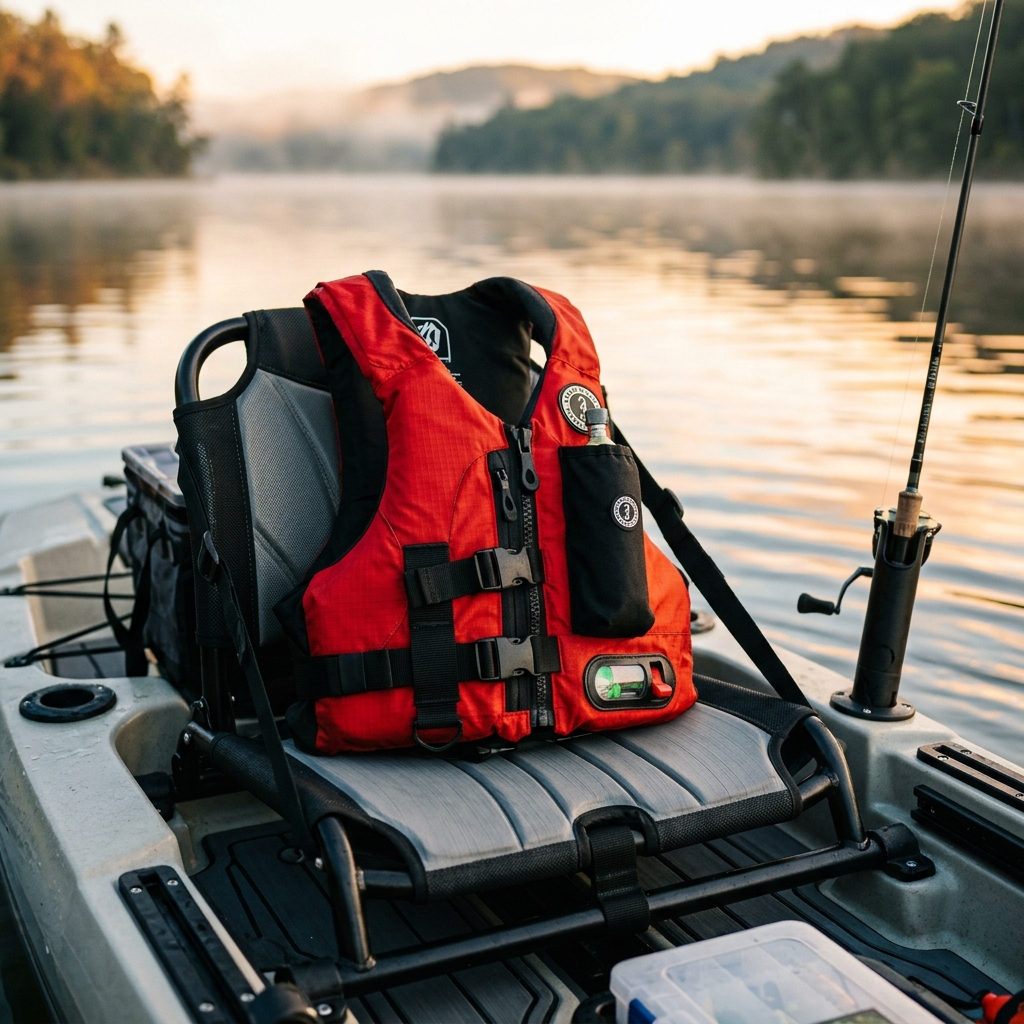
Inflatable PFDs for Kayak Fishing: Top Picks
Ditch the bulk. We field-tested the best inflatable PFDs for kayak fishing to find the perfect balance of comfort, safety, and "forget-you're-wearing-it" design.
 review
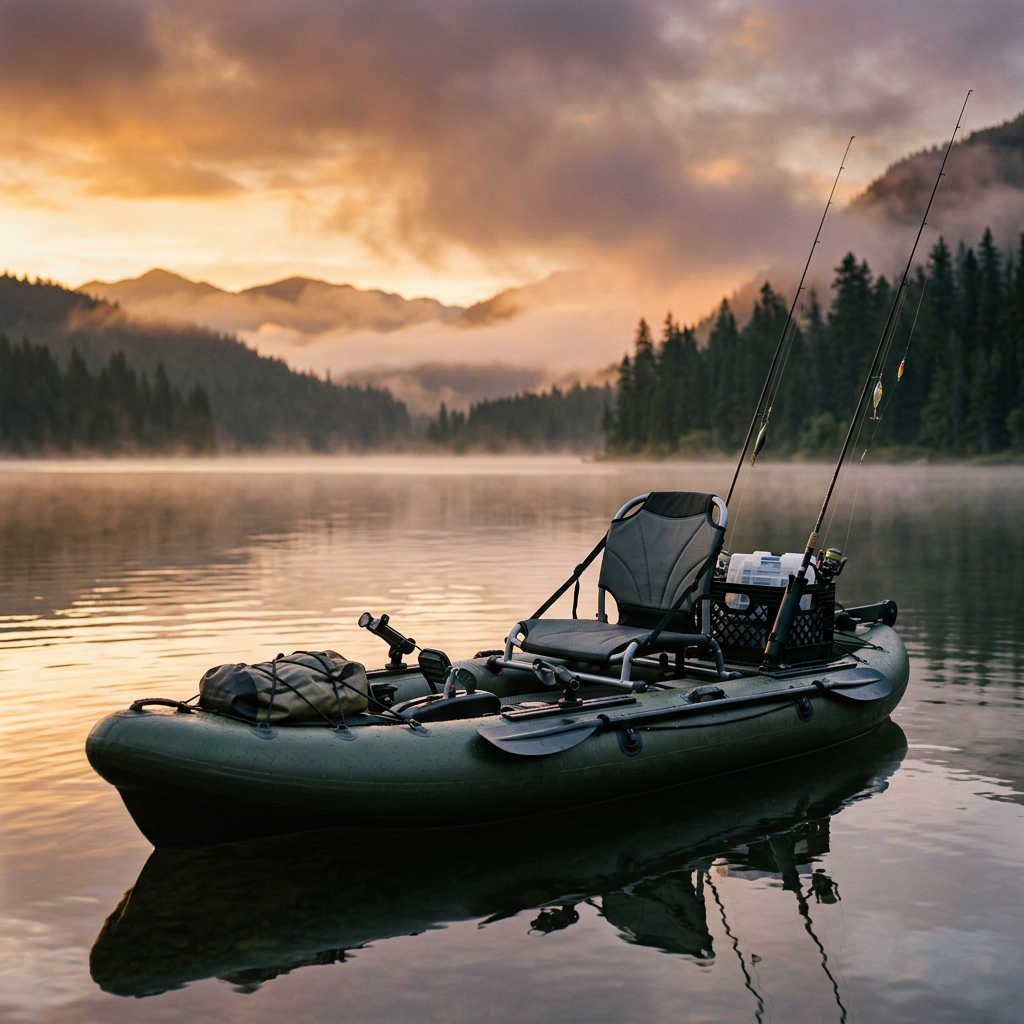
Best Inflatable Kayak for Fishing: Rigs Tested on the Water
Forget the "pool toy" stereotypes. From rock-solid drop-stitch floors to backcountry-ready TPU, these are the inflatable fishing kayaks that actually perform on the water.
You may also like
View all →Related comparisons
 Comparison Guides
Kayak vs Canoe: Which Is Better for Fishing?
Choosing between a kayak and a canoe for fishing involves more than just preference. This guide analyzes stability, capacity, and ergonomics to help you decide.
 Comparison Guides
Sit-On-Top vs Sit-In Kayak: How to Choose the Right Hull
Should you sit on it or in it? From primary stability to self-bailing decks, we're breaking down the hard physics of kayak hull design to help you choose the right boat for your next launch.