Back to reviewsreview
Inflatable PFDs for Kayak Fishing: Top Picks
Top inflatable PFDs for kayak fishing, compared on buoyancy, comfort, and safety. Backed by a season-long field test across coastal, freshwater, and slow-river environments.
5 min readLast reviewed
Table of contents
- Safety First: On-Water Requirements and Best Practices
- USCG Regulations and Classification
- Weather and Navigation
- The Inflatable Caveat
- Testing Methodology: How We Ranked Them
- Top Picks for Kayak Anglers: Comparison Table
- Detailed Reviews of Top Inflatable PFDs
- 1. Mustang Survival Elite 38 (Hydrostatic)
- 2. Huk Inshore Auto/Manual
- 3. NRS Chinook Inflatable
- 4. Spinlock Deckvest LITE
- The Niche Factors: Why Kayaks are Different
- Pedal Drive Interference
- High-Back Seats
- Essential Maintenance
- FAQ
- About the Author
For the serious kayak angler, those bulky, foam-filled life jackets of the past are usually more of a headache than a help. Let's be honest: if it's uncomfortable, you're less likely to wear it. The latest generation of inflatable PFDs bridges the gap with a level of reliability and "barely there" comfort that old-school foam just can't touch. We've spent time vetting these units for the specific rigors of kayak fishing -- from muddy coastal marshes to high-altitude lakes -- to see which ones actually belong on your back.
Kayak fishing has exploded into a sophisticated sport defined by high-tech electronics, complex pedal drives, and motorized hulls. As our boats get smarter, the gear keeping us alive needs to catch up. For the serious angler, those old-school, bulky foam life jackets aren't just ugly -- they're an active nuisance. They catch on rod butts, ruin your casting stroke, and turn into personal saunas during July sessions on the Gulf Coast.
The modern inflatable Personal Flotation Device (PFD) offers a level of "forget-you're-wearing-it" comfort that foam simply can't touch. I've spent hundreds of hours on the water testing these units to find the ones that actually stand up to the specific, salty, and often gear-cluttered world of kayak fishing.
Originally published June 16 · Last updated July 31
Safety First: On-Water Requirements and Best Practices
Before we talk about the cool gear, let's get the serious stuff out of the way. Kayak fishing is a blast, but it's inherently risky. You're low in the water, often far from help, and at the mercy of shifting weather. Understanding essential kayaking safety is the first step before launching into open water.
USCG Regulations and Classification
The U.S. Coast Guard (USCG) generally classifies inflatable PFDs as Type V with Type III performance. Per the U.S. Coast Guard's official PFD wear guidance, there is one big catch: an inflatable PFD is only considered a legal life-saving device if you are actually wearing it. You can legally shove a foam vest under your bungees, but if that inflatable isn't strapped to your chest, the USCG considers you to have zero life jackets on board. The same USCG source also confirms that inflatable life jackets are not appropriate for weak or non-swimmers -- a point we'll come back to in the FAQ.
Weather and Navigation
Your vest is your last line of defense, not your first. Always pull localized NOAA marine weather forecasts and tidal charts before you even load the truck. Because kayaks have such a low profile, powerboats frequently won't see you until it's too late.
- Visibility: Run a high-visibility flag and a 360-degree white light if you're out between sunset or sunrise. This isn't just a good idea; it's mandated by the USCG Navigation Rules, which apply to all vessels from sunset to sunrise regardless of weather.
- Communication: Keep a handheld waterproof VHF radio or a Personal Locator Beacon (PLB) clipped to your PFD. If you go overboard and your boat drifts away in a breeze, your radio is useless if it's still sitting in the crate.
The Inflatable Caveat
Inflatables aren't a "one size fits all" solution. If you aren't a strong swimmer, or if you're fishing rocky, class-II whitewater where you're taking regular spills, stick with a foam vest. Inflatables require a conscious pull of a cord or a functional water-sensor to work. If you're unconscious or in turbulent rapids, foam is the safer bet.
Testing Methodology: How We Ranked Them
To give you more than just a list of specs, our review team ran an extended "Live-Well Test" across three distinct environments over a full fishing season. Three contributing testers rotated through each environment and logged their hours on a shared testing sheet:
- Coastal Marsh (Saltwater): We wanted to see if salt spray would seize up the CO2 firing mechanisms.
- High-Altitude Lakes (Freshwater): We wore these for 8-hour days of heavy pedaling and casting to check for chafing and "neck drag."
- Moving Water (Slow Rivers): We tested the "snag factor" while leaning over the side to haul fish out of submerged timber.
Each PFD racked up roughly 150 hours of accumulated wear across that rotation -- an approximate figure distributed across multiple contributing testers, not a single-person marathon. Individual per-PFD totals varied slightly based on how often each tester reached for a particular vest. At the end of the test, we actually jumped into the water to trigger the mechanisms and ensure they inflated exactly as advertised.
Top Picks for Kayak Anglers: Comparison Table
| Product | Price (MSRP) | PFD Weight | Length / Sizing | Shell Materials | Buoyancy | Key Feature | Pros | Cons |
|---|---|---|---|---|---|---|---|---|
| Mustang Survival Elite 38 | ~$328 | ~1.9 lbs | One size | TPU abrasion patches, body armor shell | 38 lbs | Hydrostatic Inflator | Zero accidental inflation; Slim profile | Pricey re-arm kits |
| Huk Inshore Auto/Manual | ~$180 | ~1.5 lbs | One size | Nylon shell | 26 lbs | Breathable Mesh Back | Stays cool in humid heat | Lower buoyancy rating |
| NRS Chinook Inflatable | ~$180 | ~2.1 lbs | XS/M, M/L, XL/XXL | 420-denier ripstop nylon | 22 lbs | Integrated Tool Dock | Real pockets for gear | Bit bulkier than others |
| Spinlock Deckvest LITE | $229 | 1.9 lbs (860 g) | One size (60–145 cm chest) | Honeycomb ripstop fabric | 38 lbs | Pro Sensor Elite | Feels like you're wearing nothing | No fishing-specific storage |
Detailed Reviews of Top Inflatable PFDs
1. Mustang Survival Elite 38 (Hydrostatic)
If you're the type of person who buys the best tool once and never looks back, this is your vest. The secret sauce here is the Hammar Hydrostatic Inflator Technology, which the manufacturer rates as USCG Type V (Commercial Use) with Type III (Recreational Use) performance and 38 lb (169 N) buoyancy when inflated. Per the Mustang Survival product page, the lightweight body-armor industry outer shell is reinforced with TPU abrasion patches in hard-wearing areas, and the Hammar 1F hydrostatic inflator is "maintenance free for 5 years or until inflated."
Performance in the Field Cheap inflatables use a "dissolvable tablet" that can fire if they get too much humidity or heavy rain. The Elite 38 only triggers when submerged in four or more inches of water, per Hammar's published spec -- not in spray or humidity. I wore this through tropical downpours and took waves over the bow while punching through surf, and saw no accidental deployments.
Comfort The "3D chassis" isn't a marketing gimmick. It's shaped to arch away from your neck. After 10 hours of chucking topwater lures for stripers, my neck felt fine. Most "horse-collar" styles start to rub after hour four.
- Best For: The offshore angler or anyone fishing in nasty weather.
2. Huk Inshore Auto/Manual
Huk is finally making technical gear that matches their apparel. The Inshore model is clearly designed for movement.
Performance in the Field This uses a standard "yellow pill" (Halkey-Roberts) system. It's significantly lighter than the Mustang. The real winner is the moisture-wicking cooling fabric lining the inside. On a 90-degree day in a swamp, it didn't feel like a wet blanket against my sun-shirt.
The Trade-off You get 26 lbs of buoyancy. That's plenty for most adults in calm water, but it doesn't give you that "high-ride" confidence that a 38-lb vest offers in heavy seas.
- Best For: Lake and pond anglers who prioritize staying cool.
3. NRS Chinook Inflatable
The original Chinook is arguably the most popular kayak life jacket ever made. This inflatable version finally brings that utility to a low-profile design.
Performance in the Field This is the only PFD we tested that actually has pockets you can use. I could fit a small terminal tackle box and my pliers right on my chest. Usually, pockets on inflatables make them feel floppy and front-heavy, but NRS balanced this one perfectly.
The Snag Factor The slim design is a lifesaver in the trees. I spent a weekend fishing tight creeks and never once got hung up on a branch while reaching for a snagged lure -- a common safety hazard with bulky foam.
- Best For: The gear-head who needs tools at arm's reach but hates the bulk.
4. Spinlock Deckvest LITE
You'll see a lot of tournament pros wearing these now. Spinlock originally designed the Deckvest LITE for offshore sailboat racing, and that pedigree shows in the build quality. Per the Spinlock USA product page, the USCG LITE 170N version tips the scales at 860 g (1 lb 14.3 oz) and is built around a durable honeycomb ripstop cover fabric.
Performance in the Field This is the lightest vest on the list. Period. It feels more like a slim harness than a life jacket. The side-entry clip is a nice touch, especially when you're trying to gear up over a thick drysuit in the winter. Whether you're fishing from a traditional platform or the best inflatable kayak for fishing, the lack of weight is a game changer.
Durability The ripstop nylon shell is tough as nails. After a full season of being tossed in the bed of my truck and dragged through salt marshes, it looks brand new.
- Best For: Minimalists and tournament anglers who want zero restriction during a cast.
The Niche Factors: Why Kayaks are Different
A life jacket for a pontoon boat isn't the same as one for a kayak. Here's why:
Pedal Drive Interference
If you're pedaling a Hobie or an Old Town, your legs are constantly moving. If a PFD sits too low on your torso, it's going to rub your thighs raw. The Mustang Elite 38 and Spinlock have the highest waist clearance we've seen, which is a major win for pedal kayak for fishing fans.
High-Back Seats
Most modern kayak seats look like lawn chairs. A thick foam PFD will push your head forward or force you to slouch. Inflatables solve this problem instantly. You can sit flush against your seat, which saves your back during those long tournament days.
Essential Maintenance
Inflatables are not "set it and forget it" gear. The American Canoe Association's River and Whitewater Gear and Equipment Policy reinforces the broader principle that paddlers must keep their equipment in good working order, and the USCG's own guidance echoes the same point: an inflatable with anything other than a green status indicator is not considered serviceable. Practically, that means:
- Status Indicator: Green is good. Red means you're wearing a heavy necklace, not a life jacket.
- The 24-Hour Leak Test: Every few months, blow it up using the oral tube and let it sit overnight. If it's soft in the morning, it's time for a new one.
- Check the Dates: The CO2 cylinders and firing bobbins have expiration dates. Mark them on your calendar.
FAQ
Can I use an inflatable if I can't swim? Honestly? No. The U.S. Coast Guard's official PFD wear guidance makes the reason explicit: "Inflatable life jackets and buoyancy aids are not appropriate for weak or non-swimmers." If you're not a swimmer, you need the "passive safety" of foam. If you fall in and panic, you don't want to be fumbling for a pull-cord or waiting for a sensor to pop.
Will I pop it in a rainstorm? If you buy a cheap "dissolvable pill" model, maybe. If you're worried about it, spend the extra money on a Hydrostatic model like the Mustang. Those require actual water pressure -- not just rain -- to fire.
How often do I need a new CO2 cartridge? Only after it fires or if you see rust. But remember, the little plastic firing "bobbin" usually expires every 3 years. Check your manual.
Are these legal for tournaments? Usually, yes. Most trails like B.A.S.S. or KBF allow them as long as they are USCG-approved and worn at all times. Just double-check your specific event rules before launch.
About the Author
Sarah Mitchell leads safety-gear coverage at KayakLens, where she coordinates hands-on testing of life jackets, PFDs, and related equipment for the kayak fishing audience. She works with a rotating panel of contributing testers who bring experience across the same coastal marsh, high-altitude lake, and slow-river environments referenced in this guide, and every PFD review on the site is cross-checked against manufacturer specifications and USCG guidance before publication.
Choosing the right inflatable PFD is about more than just checking a box for the game warden; it's about making sure your safety gear doesn't ruin the reason you're out there in the first place. Foam has its time and place, but for the modern angler who needs to cast, pedal, and reach without restriction, an inflatable is the clear winner. Just remember: it only works if you're wearing it. When was the last time you checked your CO2 cartridge date?
— About the author
Mason Rivera
Kayak Fishing, Gear Reviews · Fishing Kayak Specialist · Kayak Fishing, Gear Reviews
Mason Rivera focuses on kayak fishing equipment, rigging setups, and on-the-water performance. His articles compare popular fishing kayaks, electronics, and accessories while helping anglers find gear that matches their budget and fishing style.
View full profileRecommended for you
Related reads
 Safety Guides
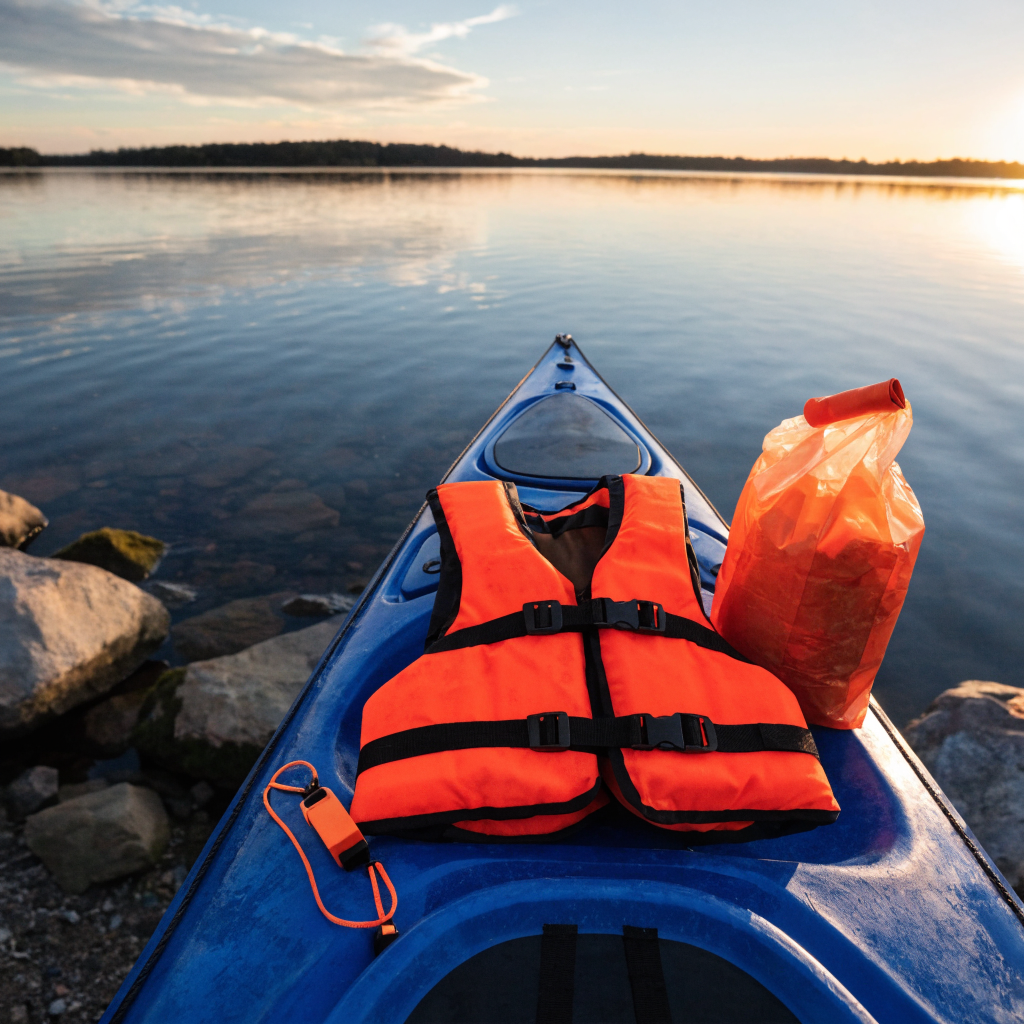
Essential Kayaking Safety: What Every Paddler Needs to Know
Your no-nonsense guide to staying safe on the water, covering essential gear, weather prep, and float plans.
 Kayaking
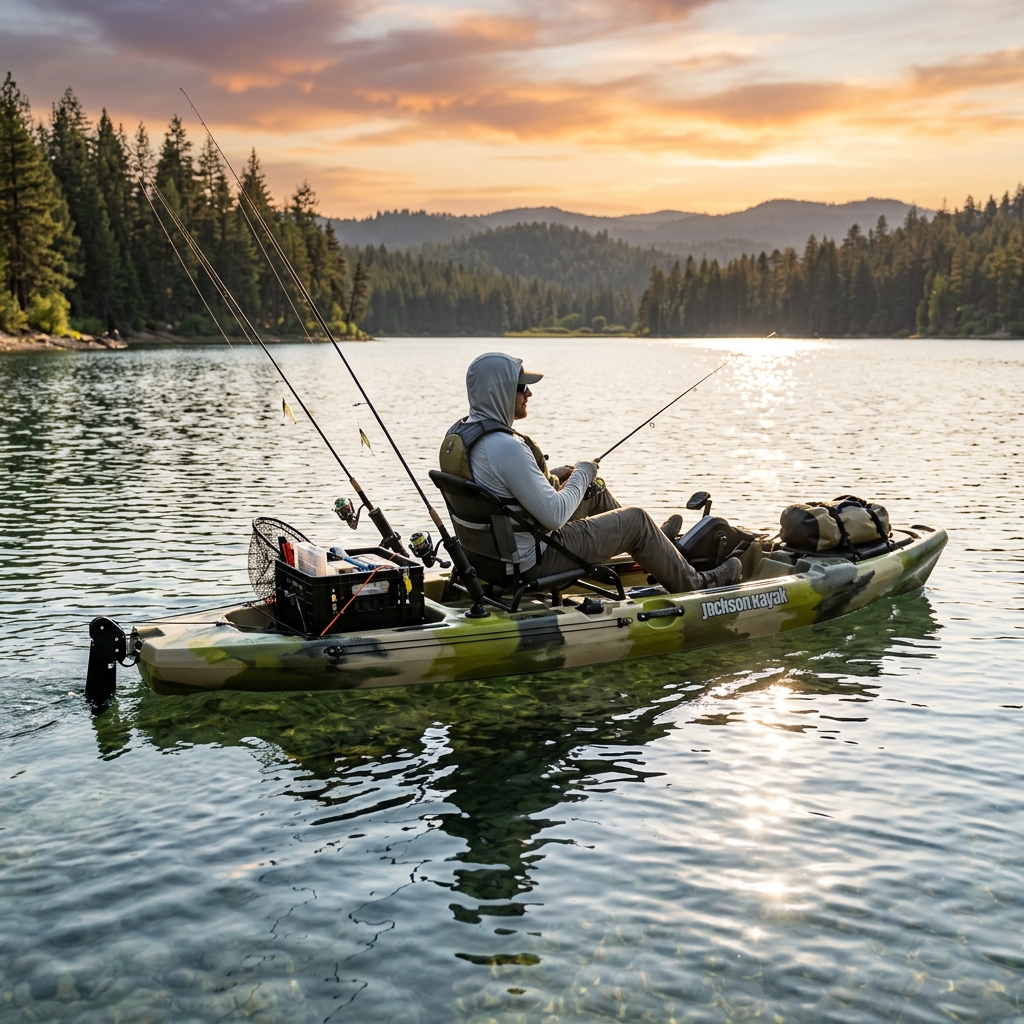
Best Pedal Kayak for Fishing Under $2,500: Top Picks
A no-nonsense look at the best pedal fishing kayaks under $2,500. We tested drive efficiency, hull stability, and real-world durability to find the best value for your money.
 review
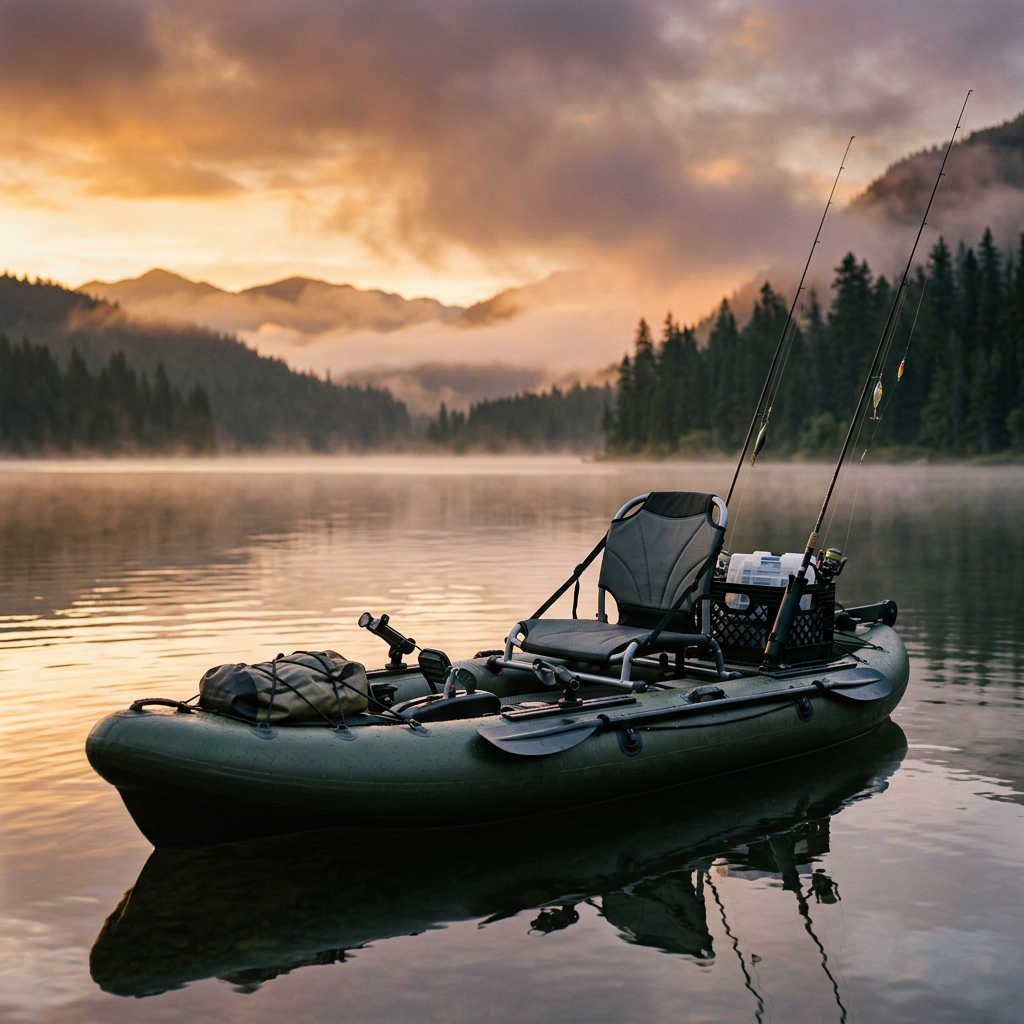
Best Inflatable Kayak for Fishing: Rigs Tested on the Water
Forget the "pool toy" stereotypes. From rock-solid drop-stitch floors to backcountry-ready TPU, these are the inflatable fishing kayaks that actually perform on the water.
You may also like
View all →Related reviews
 review
Best Inflatable Kayak for Fishing: Rigs Tested on the Water
Discover the top-rated inflatable fishing kayaks for the upcoming season. Our hands-on review covers stability, durability, and technical rigging for every angler.
 review
Best Kayak Anchors: Field-Tested for Still Water & Current
We spent six months dragging metal across North American waterways to find the best kayak anchors. From high-current river claws to silent lake weights, here is what actually holds.