Back to rentalsGuide
Kayak Rental in Arizona: Lakes, Rivers & Safety Guide
Explore Arizona's best kayak rental spots from the Salt River to Lake Powell. Our guide covers top destinations, safety gear, and expert desert paddling tips.
5 min readLast reviewed
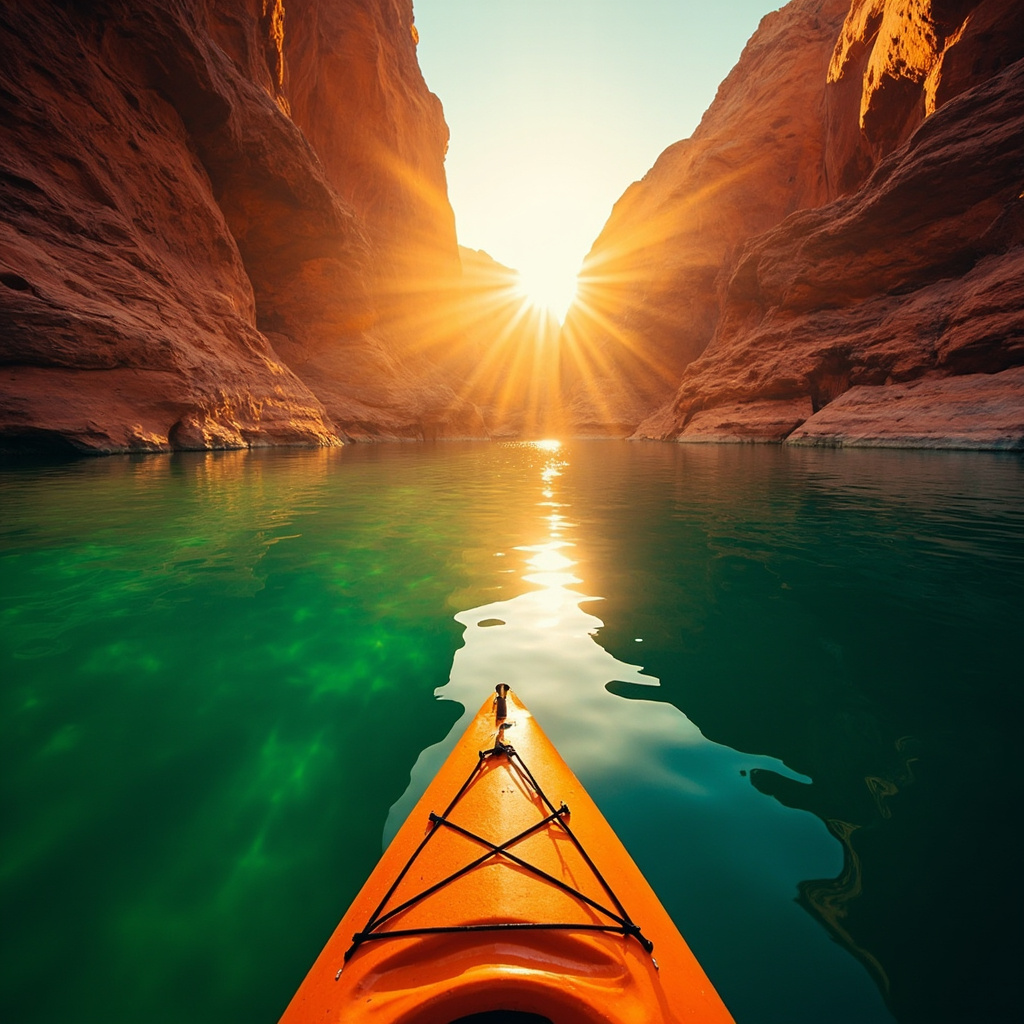
Table of contents
- Why Kayak in Arizona? The Desert Water Paradox
- Choosing Your Craft: Rental Options for Arizona Waters
- Sit-on-Top (SOT) Kayaks
- Sit-In Kayaks
- Fishing Kayaks
- Essential Gear Comparison Table
- Top Arizona Kayaking Destinations and Rental Hubs
- 1. The Lower Salt River (Tonto National Forest)
- 2. Lake Pleasant Regional Park (Peoria)
- 3. Black Canyon (The Colorado River)
- 4. Lake Powell (Page)
- White Water Runs: For the Intermediate Adventurer
- The Upper Salt River
- The Verde River (Clarkdale to Camp Verde)
- Safety First: Essential Protocols for Arizona Paddlers
- Life Jackets (PFDs)
- Heat and Hydration
- Help Each Other Out
- Navigation Rules
- Respect the Monsoon
- How to Rent: A Step-by-Step Guide
- Conservation and "Leave No Trace"
- FAQ: Kayak Rental in Arizona
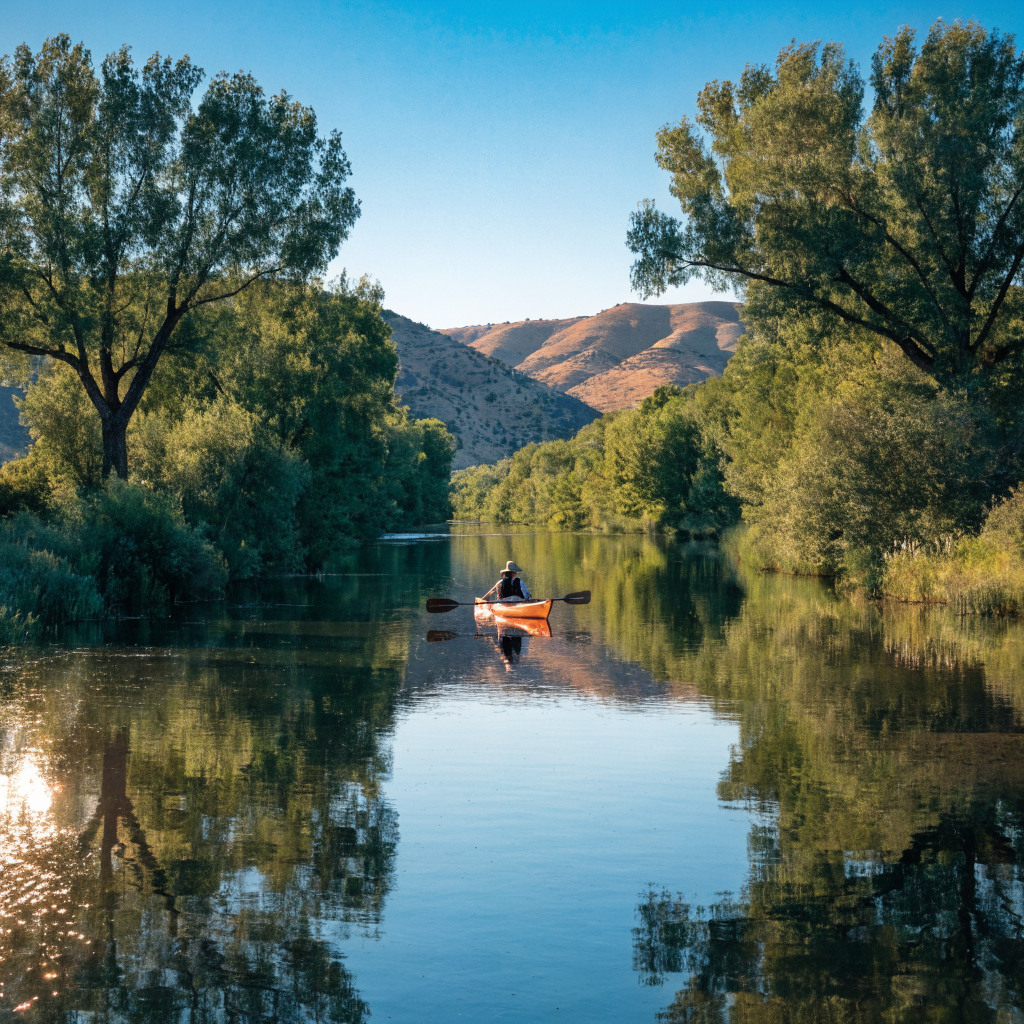
Arizona isn't just a stretch of scorched earth -- it's a landscape hidden within glass-like lakes, winding river canyons, and the occasional rush of white water. From the emerald depths of the Colorado River to the high-country pines of the Mogollon Rim, the state offers a range of paddling that rivals any coast. If you're looking to explore, getting the right rental is your first step into an unforgettable desert adventure.
Whether you're a total newcomer looking for a quiet afternoon on a desert reservoir or a seasoned paddler chasing Class III pulses, renting a kayak in Arizona is the quickest way to see the Copper State from the water. This isn't just about floating, though; it's about knowing which boat to grab and how to navigate Arizona's unique waterways safely. I'll walk you through the best rental hubs and the essential safety protocols that every paddler needs to know before they push off.
First published: June 2026. Last reviewed: July 2026.
Why Kayak in Arizona? The Desert Water Paradox
If you tell someone you're going kayaking in Arizona, they might think you've spent too much time in the sun. But the state's geography is actually a paddler's dream. Thanks to massive dam systems built for power and irrigation, Arizona is dotted with "staircase" reservoirs that offer thousands of miles of shoreline.
The elevation range is the real secret. When the southern desert lakes are heating up in the spring, they are prime for paddling. But when the summer sun gets brutal, you can head up to the White Mountains or the Coconino Plateau to paddle through cool pine forests. I learned this the hard way on a July afternoon at Saguaro Lake -- I now plan Phoenix-area trips for the early morning or save them for after Labor Day.
There is also a perspective you just can't get from a trailhead. In spots like Emerald Cove or the Lower Salt River, the best views are from seat-level. It's where you're close enough to touch the canyon walls and watch bighorn sheep or bald eagles without disturbing their peace.
Choosing Your Craft: Rental Options for Arizona Waters
Walk into any Arizona outfitter and you'll usually see three main types of kayaks. Picking the right one isn't just about comfort -- it's about matching the boat to the water you're tackling. On my first Salt River float I rented from a U.S. Forest Service-permitted outfitter and grabbed the cheapest single sit-on-top they had on the dock; twenty minutes into the current I learned the difference between "stable" and "tracked."
Sit-on-Top (SOT) Kayaks
These are the SUVs of the desert lakes. If you're heading to Lake Pleasant or Saguaro Lake, this is likely what you'll get. They are stable, hard to flip, and easy to climb back onto if you decide to take a mid-day swim. Since they have "scupper holes" that let water drain right through, you don't have to worry about getting swamped.
Sit-In Kayaks
You'll see these more often at high-country rentals or for longer treks. They have a lower center of gravity and keep your lower body shielded from the wind or spray. If you're planning to cover a lot of distance -- like crossing wide stretches of Lake Powell -- a sit-in kayak is way more efficient.
Fishing Kayaks
Arizona's reservoirs are famous for bass and trout, and specialized fishing kayak rentals are showing up at more shops every year. These are extra wide so you can stand up to cast, and they usually come decked out with rod holders and gear tracks.
Essential Gear Comparison Table
| Type | Length | Weight | Capacity | Material | Price/Day | Best For |
|---|---|---|---|---|---|---|
| Sit-on-Top | 9-12 ft | 45-75 lbs | 250-350 lbs | Polyethylene | $35-$50 | Casual lakes/Recreation |
| Sit-In | 9-11 ft | 40-65 lbs | 225-300 lbs | Polyethylene / Composite | $35-$50 | Distance/Cold water |
| Fishing Kayak | 11-14 ft | 70-120 lbs | 350-500 lbs | Heavy-duty Plastic | $40-$70 | Angling/Stability |
| White Water | 6-9 ft | 30-50 lbs | 150-250 lbs | High-impact Plastic | $50-$90 | Rapids/Rivers |
Lengths reflect typical recreational rental-class dimensions used by Arizona outfitters; per-day prices are based on currently advertised rates from shops along the Salt River and at Saguaro Lake.
Top Arizona Kayaking Destinations and Rental Hubs
Arizona's water is clustered in a few key regions. Depending on where you're staying, here is where you should point your compass.
1. The Lower Salt River (Tonto National Forest)
Just a short hop from Phoenix, the Lower Salt is the most popular float in the state for a reason.
- The Experience: A mellow Class I drift through the Sonoran Desert. Keep your eyes peeled for the famous wild horses -- technically feral livestock managed inside the Lower Salt River Horse Management Area on the Tonto National Forest.
- Why Rent Here: Outfitters operating under U.S. Forest Service permits handle the logistical headache by offering "grab-and-go" rentals and shuttle rides. A sit-on-top single typically rents for around $35-$40 a day from on-site rental counters.
- Best For: Easy afternoons, family outings, and wildlife photos.
2. Lake Pleasant Regional Park (Peoria)
This is the main playground for the Phoenix metro area.
- The Experience: It's a massive lake with tons of hidden coves. If you go in the spring, the northern end is flanked by incredible wildflowers.
- Why Rent Here: On-site marinas make it easy to rent by the hour. Just be ready for a bit of chop -- the wind can whip up quickly here. I've watched a flat dawn turn into a stiff chop in under twenty minutes on a March morning, so I always tell friends to hug the shoreline until they've tested the wind.
- Best For: Getting a workout in or catching a killer sunset.
3. Black Canyon (The Colorado River)
Right below the Hoover Dam, the Colorado River turns into a stunning, emerald ribbon. This is "flat water," so no scary rapids to worry about.
- The Experience: Crystal clear water, hot springs you can only reach by boat, and the glowing walls of Emerald Cove.
- Why Rent Here: Willow Beach is the main hub. Because it's near the dam and on federal land, many outfitters offer packages that include your required permits.
- Best For: Paddlers ready for a full-day, 12-mile trip down-river. The last time I ran the Willow Beach to Emerald Cove stretch, I launched at first light to beat the wind and the tour-boat wake -- both pick up fast once the sun clears the canyon rim.
4. Lake Powell (Page)
This place is essentially a flooded canyon playground. It's one of the most surreal places you will ever paddle.
- The Experience: Winding through narrow "slot" canyons where the walls are close enough to touch on both sides. Antelope Canyon is the big draw here.
- Why Rent Here: Rental shops in Page will hook you up with roof racks so you can launch from whichever marina you prefer.
- Best For: Big photography vibes and multi-day camping trips.
White Water Runs: For the Intermediate Adventurer
If flat water feels a bit too sleepy for you, Arizona has some seasonal teeth. Keep in mind that these runs depend entirely on how much snow fell in the mountains.
The Upper Salt River
Locals call this the "Little Grand Canyon." It's serious business with Class III and IV rapids, so you'll need some actual river-reading skills. Outfitters near Globe or Show Low rent specialized white water gear during the spring window (usually late February through May).
The Verde River (Clarkdale to Camp Verde)
The Verde is a "Wild and Scenic" gem. It's mostly Class I and II ripples, but don't let that get you too relaxed.
- Rental Hub: Clarkdale.
- Stay Sharp: The American Canoe Association (ACA) warns that low-head dams act as "drowning machines" -- recirculating hydraulics that can trap even strong swimmers. Always ask the rental staff what the current flow (CFS) is before you head out.
Safety First: Essential Protocols for Arizona Paddlers
The desert doesn't play fair. Between the sudden monsoon winds and the 110-degree heat, you need to have your safety game dialed in.
Life Jackets (PFDs)
Both the U.S. Coast Guard (USCG) and Arizona's A.R.S. § 5-331 apply here: every recreational vessel has to carry one USCG-approved wearable PFD per person, federal law requires children under 13 to wear one whenever the vessel is underway, and Arizona goes a step further by requiring children 12 and under to wear them at all times the boat is moving. For adults, don't be "that guy" who leaves it on the back of the seat. If you capsize in a desert windstorm, your boat will move faster than you can swim.
Heat and Hydration
Don't mess around with the heat. You should be carrying at least one gallon of water per person for a full day. Because the air is so dry, your sweat evaporates before you even feel it -- you're losing fluid way faster than you realize.
Help Each Other Out
If you're on a river, learn the basic hand signals. A paddle held straight up means "all clear." A paddle held horizontally over your head means "stop -- danger ahead." It's the only way to communicate over the roar of the water.
Navigation Rules
Under USCG navigation rules, your kayak is a "vessel under oars." Legally, you have the right of way over powerboats, but in a narrow canyon, "might makes right." Stay close to the banks and cross channels fast. Motorboats often have a hard time seeing low-profile kayaks.
Respect the Monsoon
From June to September, the North American Monsoon can turn a blue sky black in minutes. The National Weather Service advises boaters that thunderstorms can develop quickly and create dangerous wind and wave conditions, with shifting and gusty winds, lightning, waterspouts, and torrential downpours. If you see those towering white clouds starting to turn grey or hear a rumble, get off the water immediately. Microbursts can create massive waves and lightning is a real threat.
How to Rent: A Step-by-Step Guide
- Check the Calendar: High-country rentals (like Lake Mary) usually only run from May to October. Desert lakes stay open all year.
- Book Ahead: Between Memorial Day and Labor Day, rental fleets vanish. Don't show up expecting a boat without a reservation.
- The Transport Factor: Ask if the boat is "on-site" (at the water) or "off-site." If it's off-site, make sure your car can handle a rack.
- Permit Fees: Don't forget that many lakes require a separate entry fee or a Tonto Discovery Pass that isn't included in your rental price.
- Listen Up: That safety briefing from the outfitter? Don't zone out. They'll tell you about the submerged trees or shallow spots that aren't on the map.
Conservation and "Leave No Trace"
Arizona's water is precious. Let's keep it that way.
- Trash: Secure everything. If you flip, make sure your water bottles and gear don't become river snacks.
- Private Land: Arizona has a lot of "checkerboard" property lines. Stick to the designated public beach areas.
- Mussels: Invasive Quagga mussels are a nightmare. The National Park Service at Glen Canyon reports that thousands of adult quagga mussels have been found at Lake Powell, attached to canyon walls, the dam, boats, and other underwater structures. If you move a boat between lakes, follow the Clean, Drain, and Dry procedure -- pull all plugs, drain water from bilges and live wells, and allow your craft to dry completely between uses -- so you don't hitchhike these pests to a new body of water.
FAQ: Kayak Rental in Arizona
Q: Do I need a license to paddle a kayak in Arizona? A: No license is required for non-motorized boats. Just make sure you've got your PFD and a whistle (required by the USCG) on you.
Q: Can I rent a kayak if I've never done this before? A: Definitely. Most shops will put you in a sit-on-top kayak because they're stable and forgiving. Stick to the Lower Salt or Canyon Lake for your first time out.
Q: When is the best time to go? A: If you're staying in Phoenix or Tucson, aim for October through April. If you're heading north to Flagstaff, June through August is the sweet spot.
Q: Is it safe to kayak in the Colorado River? A: The Black Canyon section is very safe for beginners. But if you're looking at the Grand Canyon, that's advanced territory that requires a lottery permit and serious skill.
Q: Are life jackets included? A: Most reputable Arizona outfitters include a USCG-approved PFD and a paddle as part of the standard rental package. The legal obligation rests with the vessel operator: under A.R.S. § 5-331, Arizona requires every watercraft on state waters to carry one wearable PFD per person, so expect to find one on board -- but it's still up to you to actually wear it.
About the Author Lauren Bennett is a contributing writer for KayakLens covering paddling destinations across the American Southwest. Her guidance draws on multi-season paddling experience across Arizona's lakes and rivers -- from dawn patrols on the Lower Salt to multi-day crossings on Lake Powell, plus repeat trips on the Verde, Saguaro, and Lake Pleasant whenever she can get out of the Phoenix heat. She rents locally rather than reviewing from a desk, so the gear and pricing notes come straight from the dock.
Arizona is a world-class kayaking destination hidden in plain sight. Whether you're drifting past wild horses on the Salt River or exploring the deep slots of Lake Powell, the key is to respect the water and the weather. Grab a rental, pack more water than you think you need, and get out there -- the canyon looks better from the middle of the river.
— About the author
Lauren Bennett
Paddling Content Editor · Outdoor Recreation Writer · Beginner Kayaking, Safety, Buying Guides
Lauren Bennett writes educational kayaking guides for beginners and recreational paddlers. She covers safety practices, kayak selection, paddling techniques, and trip planning with clear, easy-to-follow advice designed to make kayaking more accessible for everyone.
View full profile